







Managing Wrist Pain After Injury | How Wrist Supports Aid Recovery
Managing Wrist Pain After a Wrist Injury: How a Wrist Support Can Help
A wrist injury can make even the simplest daily tasks challenging. Activities such as typing, lifting objects, driving, cooking or participating in sport may suddenly become painful and uncomfortable. Whether the injury is caused by a sprain, strain, repetitive overuse or a minor traumatic incident, proper support during recovery can play an important role in managing symptoms and promoting healing. One of the most effective and convenient ways to help manage wrist pain is by using a wrist support.
Understanding Wrist Injuries:
The wrist is a complex joint made up of eight small bones, multiple ligaments, tendons and muscles that work together to provide strength and mobility. Because the wrist is used constantly throughout the day, it is particularly vulnerable to injury.
Common causes of wrist pain include:
- Wrist sprains and ligament injuries
- Tendon strains
- Repetitive strain injuries (RSI)
- Sports-related injuries
- Workplace overuse injuries
- Minor falls and impacts
- Tendonitis and inflammation
Following an injury, pain often develops alongside swelling, stiffness, weakness and reduced range of motion. Without appropriate support, everyday movements can aggravate injured tissues and prolong recovery.
How a Wrist Support Helps Manage Pain:
A wrist support is designed to provide stability and controlled compression around the wrist joint. By helping to reduce unnecessary movement, it may help minimise discomfort while allowing the injured structures an opportunity to recover.
1. Limits Painful Movement
After a wrist injury, certain movements may trigger pain or place additional stress on healing tissues. A wrist support helps restrict excessive bending and twisting motions that can aggravate symptoms.
This controlled support allows the wrist to move within a safer range while reducing strain on injured ligaments, tendons and soft tissues.
2. Provides Joint Stability
Instability is common following sprains and soft tissue injuries. A wrist support can help stabilise the joint during daily activities, making movements feel more secure and comfortable.
Many people find that wearing a wrist brace helps improve confidence when returning to work, exercise or normal everyday tasks.
3. Offers Gentle Compression
Many wrist supports provide mild compression around the joint. Compression can help manage swelling and provide a supportive feeling around the injured area.
This added support may help reduce discomfort throughout the day, particularly during periods of increased activity.
4. Supports Recovery During Daily Activities
Although complete immobilisation is sometimes necessary for more severe injuries, many minor wrist injuries benefit from supported movement rather than total inactivity.
A wrist support allows individuals to continue many everyday activities while helping to protect the wrist from unnecessary stress.
5. Reduces Fatigue
When the wrist is injured, surrounding muscles often work harder to compensate for weakness and instability. A wrist support can help reduce fatigue by providing additional external support to the joint and surrounding structures.
This can be particularly beneficial for individuals who spend long hours typing, using tools or performing repetitive tasks.
Choosing the Right Wrist Support:
Different wrist injuries may require different levels of support. Options include:
Elastic Wrist Supports
Ideal for mild strains, fatigue and general wrist discomfort. These supports provide compression and light stability while maintaining flexibility.
Adjustable Wrist Braces
Suitable for moderate injuries where greater support is needed. Adjustable straps allow the level of compression to be customised.
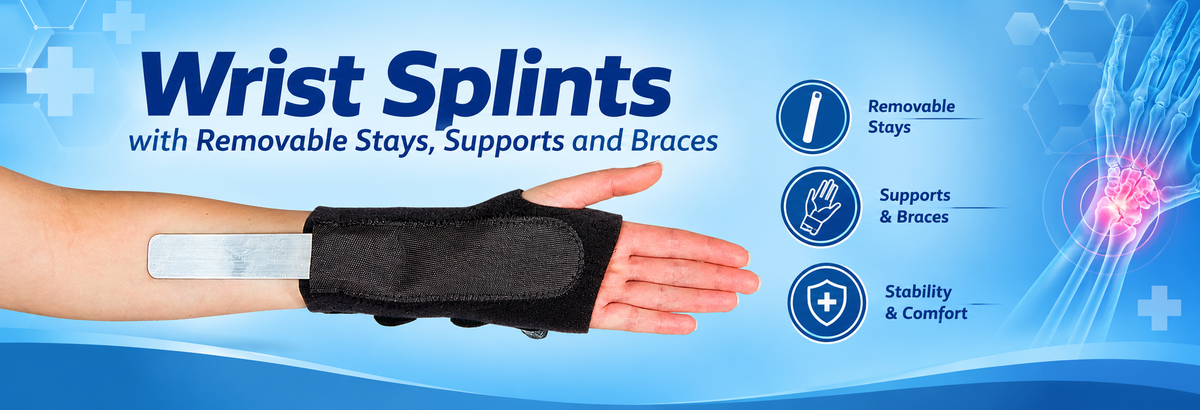
Wrist Splints
Designed to restrict movement more significantly and are often used during recovery from sprains, tendon injuries or conditions that benefit from immobilisation.
When Should You Wear a Wrist Support?
A wrist support may be useful:
- During work activities
- While exercising or participating in sport
- When performing repetitive tasks
- During recovery following a wrist injury
- When experiencing mild to moderate wrist pain
- To help prevent re-injury when returning to activity
For best results, the support should fit comfortably and securely without restricting circulation.
Supporting Long-Term Wrist Health
While a wrist support can be highly effective in managing wrist pain, it is most beneficial when combined with appropriate rehabilitation, activity modification and gradual strengthening exercises where suitable.
Listening to your symptoms and avoiding activities that significantly increase pain can help create the best environment for recovery.
Find the Right Wrist Support at SUPPORT4PHYSIO
At SUPPORT4PHYSIO, we offer a wide range of high-quality wrist supports, wrist braces and wrist splints designed to help manage wrist pain, promote stability and support recovery after injury. Whether you need lightweight compression for everyday use or a more supportive brace during rehabilitation, our collection has solutions to help you move comfortably and confidently.
Meta Description
Learn how wrist supports can help manage wrist pain following injury by providing stability, compression and protection during recovery. Find the right wrist support at SUPPORT4PHYSIO.
Disclaimer: Please note that all joint disorders are different. If you have any concerns about any of the information discussed, a medical practitioner who knows your specific condition should be consulted.